Recycling and Sustainability — Driveway Cleaning Services
Our approach to eco-friendly driveway cleaning begins with a clear commitment: to reduce waste, maximise reuse, and lower carbon emissions across every job. As responsible driveway cleaning professionals we design processes that prioritise recycling of materials, careful separation of on-site debris, and the creation of a sustainable rubbish gardening area for beneficial reuse of green waste. We combine modern low-carbon vans with local partnerships to make residential driveway cleaning services greener from start to finish.Why sustainable driveway maintenance matters
Every sweep of a pressure washer produces waste streams — aggregate, dirt, organic matter, and sometimes recoverable materials like metal fixings or bricks. Our target recycling percentage is ambitious: to divert 85% of non-hazardous waste from landfill by 2027 across all driveway cleaning and surface restoration work. That target covers recyclable stone, brick, metal, wood and green waste that can be composted or repurposed as landscaping material.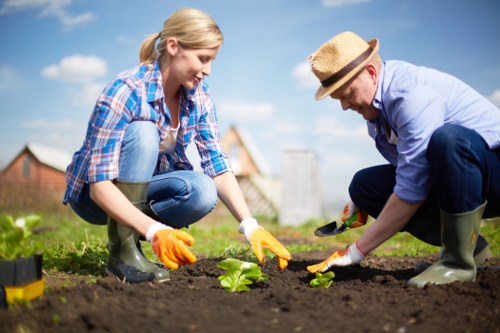
On-site sorting and local waste routes
We operate a robust on-site sorting system so that driveway cleaners separate materials at the point of removal. This means dedicated containers for:- Inert material (concrete, aggregate) for crushing and reuse
- Metals and hardware to be reclaimed
- Green waste (hedge trimmings, leaves) for composting in our rubbish gardening area
- General recyclable packaging following local borough recycling rules
Local transfer stations play a central role in our logistics. We work closely with borough transfer stations and civic amenity sites — the local transfer stations and Household Waste Recycling Centres — to ensure material is sent to the right processing streams. Where councils have specific guidance (many boroughs ask residents to separate glass, paper, plastic, food waste and garden waste), we align with those rules and bring pre-sorted loads to the correct municipal facility or approved private processor.
 Partnerships that amplify impact — Our sustainable driveway cleaning programme is strengthened by collaborations with local charities and community reuse organisations. Items that are reusable — paving slabs in good condition, salvageable bricks, metal fittings — are offered to partner charities, social enterprises and community building projects. We work with reuse centres and local housing charities to ensure that materials with life left in them are redirected to community benefit rather than landfill.
To ensure transparency we publish quarterly diversion reports showing what went to recycling, what was reused through charity partners, and what, if anything, required disposal. Strong accountability helps us and our clients track progress against the 85% recycling target and refine processes where necessary.
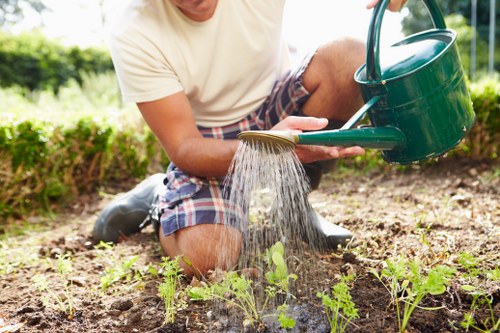
Creating a sustainable rubbish gardening area — part of our green approach is a dedicated sustainable rubbish gardening area at our depots and on suitable larger sites. Green waste generated from driveway edge trimming and garden clearing is composted and turned into mulch or soil improver. This closed-loop practice reduces haulage, adds value to local landscaping efforts, and supports biodiversity with wildflower and bee-friendly mulches created from recycled organic matter.
 Low-carbon vans and fleet management — our operational carbon footprint is cut by using electric and low-emission hybrid vans for urban runs and modern Euro 6 vehicles for longer transfers. Fleet telematics optimise routes to reduce mileage and idling, and we coordinate trips to local transfer stations to keep emissions low. Charging infrastructure at depots and a program to refresh vehicles with EVs supports the transition to fully electric service vans for our commercial driveway cleaning and domestic routes.
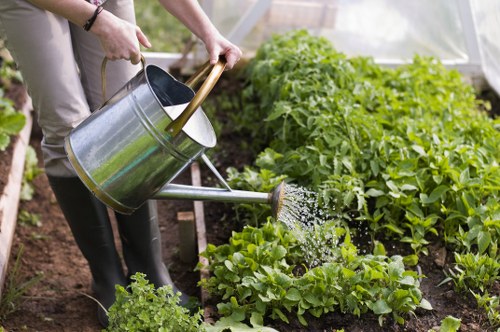 Community recycling activities — we also engage in local initiatives such as neighbourhood clear-up days and borough-supported separation drives. These typically include curbside recycling demos, collection events for bulky recyclable items, and drop-offs to charity reuse centres. Light recycling activities specific to borough approaches — for example separate food waste collections or glass-only banks — are followed precisely so our collected materials fit seamlessly into municipal processing.
Transparent metrics and ongoing improvement — each job generates a simple waste record that categorises tonnages and destinations. We use these records to calculate our recycling percentage and identify opportunities to increase reuse or locate alternative processing routes. Our continuous improvement plan includes trials of on-site crushing for inert materials, expanded charity donation lists, and pilot programmes to use recycled aggregate in local landscaping projects.
What clients can expect — when you hire our driveway maintenance and cleaning teams, you'll receive services that not only clean and restore surfaces but also consider environmental outcomes. We provide an environmental brief with each quotation outlining expected waste types, likely recycling routes, and predicted carbon savings from route optimisation and low-carbon vans.
Commitment summary: We will continue to drive sustainable driveway cleaning practices by meeting the 85% recycling target, partnering with local transfer stations and charities, creating useful sustainable rubbish gardening areas, and using low-emission vans to lower the carbon footprint of every job. These combined actions make our driveway cleaning services part of a circular, community-focused approach to waste and resource management.